By José Francisco Ávila
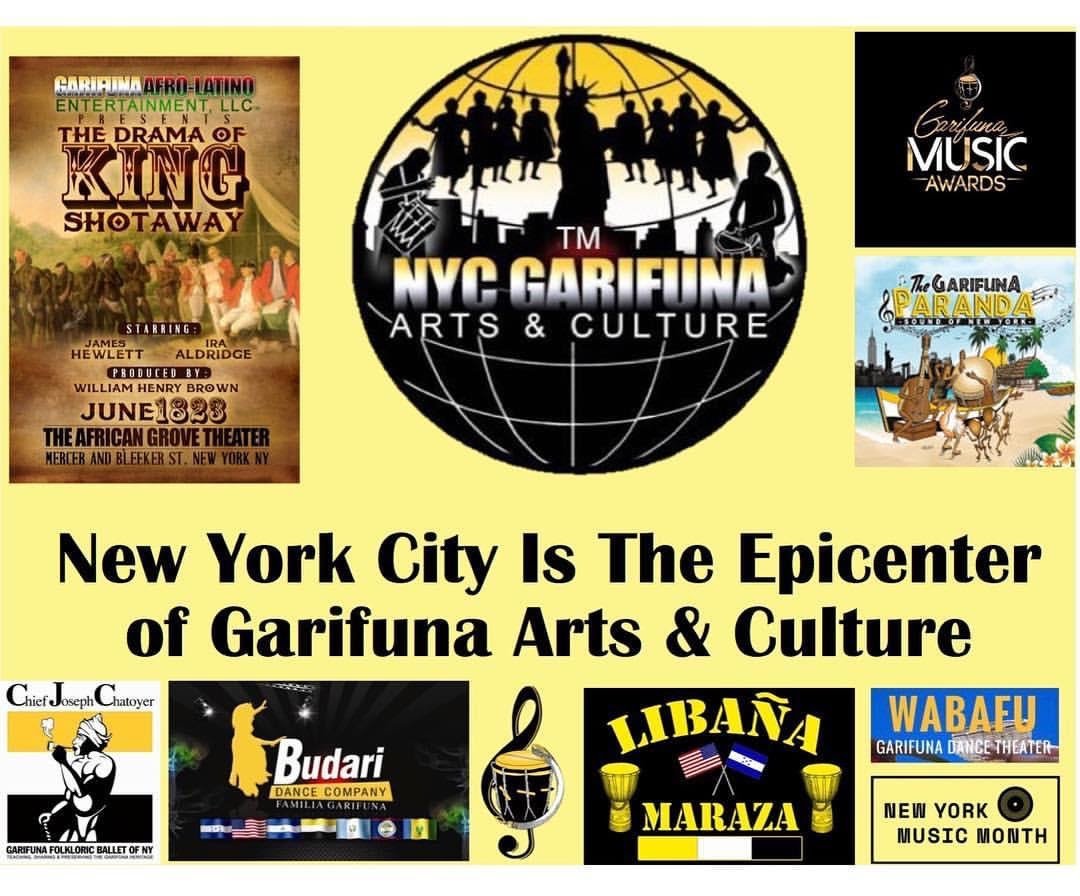
| New York City has long been recognized as a capital of arts and culture, a place where artists come to create, and the world comes to be inspired. In celebration of June as New York Music Month to celebrate and support the City’s rich musical past, present and future, we present a historical account the New York City Garifuna music scene.Garifuna music stands as a vibrant and globally recognized cultural phenomenon, deeply embedded in the identity of the Garifuna people. This Afro-Indigenous group traces its origins to a unique fusion of African, Arawak, and Kalinago elements, stemming from the intermarriage of Africans who escaped enslavement on Saint Vincent with the island’s indigenous inhabitants. This rich heritage, encompassing their distinctive music, dance, and language, received a significant international affirmation in 2001 when UNESCO collectively proclaimed it a Masterpiece of the Oral and Intangible Heritage of Humanity. This designation not only highlights the profound cultural importance of Garifuna traditions but also underscores the critical need for their preservation, particularly within diasporic communities worldwide. |
 |
 |
| The legacy of Garifuna composers, singers, songwriters, and musicians is a lasting multigenerational piece of New York City’s culture. Garifuna artists such as Gerardo Guerrero, Santos Batiz, Arnulfo “Nufo” Velasquez, Benigno Guerrero, Valentin Lambert, Modesto “Tito” Reyes Guerrero, Victor Arzu, Gadu Nunez and Rene Crisanto, as well musical groups Los Satelites, The Playboys, Los Juniors Band, Estrellas UBOU, Laruni Hati, The Sea Boys, Los Bravos de Honduras, Fuerza Brava, Grupo H, Labuga Boys and Garifuna Kids among others. More recently, Nino Arzu, Lil June, Andy Ordonez, Young P Martinez, Alex Ciego, Kevin Ramirez Garifuna Outlaws, Gx Team, Edie GNG, Agrupación T.N.C., Socie GCK, and Tito Pingolinis have carried forward the musical traditions of their ancestors by safeguarding the Garifuna Intangible Cultural Heritage’s contribution to New York City’s vibrant cultural life. |
 |
| Garifuna music is a term that includes music produced or inspired by Garifuna people from Belize, Honduras, Guatemala, and Nicaragua. The Garifuna music genre is a conventional category that identifies pieces of music as belonging to a shared Garifuna tradition or set of conventions. The genres include popular music such as Punta Rock, World Music Paranda, as well as the fundamental Garifuna Rhythms: Punta, Paranda, Hüngühüngü, Gunchei, Sambai, Wanaragua, and Chumba, which have transmitted the beliefs that have guided the life of the Garifuna for generations. |
 |
| The need for improvisation and adaptability as the Garifuna musicians have strived to meet the musical needs of the community, has resulted in the fusion of theTraditional Garifuna Music with other genres; such is the case with the Gari-Slide, a line dance set to Andy Palacio’s song Lidan Aba, authored and choreographed by Bronx based Mariano Martinez, and The Afri-Garifuna Jazz Ensemble, founded by lead vocalist Lucy Blanco, which represents the latest development in Garifuna music through a fusion of Garifuna Music with Jazz. Gomany «Gogo» Norales is a dynamic young Garifuna Artist, Composer, and Live Performer from The Bronx, celebrated for his unique fusion of traditional Garifuna paranda music with contemporary sounds. |
 |
| New York City has emerged as a pivotal center for the continuity and evolution of Garifuna culture and music. The city hosts the largest Garifuna population outside of Central America, with an estimated 250,000 individuals, and more than half of this community resides in the Bronx. This substantial demographic presence positions New York City as a crucial hub for the safeguarding and dynamic expression of Garifuna cultural heritage. The city’s diverse environment provides a unique setting where traditional forms can be meticulously preserved while simultaneously fostering the emergence of contemporary musical fusions. The sheer scale of the Garifuna presence in New York City means that local efforts to preserve and promote their music are not merely regional initiatives; they carry a profound global significance. The city acts as a primary cultural anchor, and its success in maintaining Garifuna traditions directly impacts the global status of this UNESCO-recognized heritage. This is especially pertinent given explicit concerns about cultural loss and language endangerment within the diaspora. Consequently, New York City’s role transcends that of a mere settlement area, elevating it to a vital custodian and innovator for Garifuna culture on a global scale. The ongoing activities and initiatives in the city are therefore instrumental in ensuring the long-term viability and worldwide recognition of Garifuna music and its associated cultural practices. |
 |
| This program is supported, in part, by public funds from the New York City Department of Cultural Affairs (DCLA) in partnership with the City Council |
 |
 |
 |
 |
 |
 |